
Unearthing the fascinating evolution of gambling through the ages
The Ancient Origins of Gambling
The history of gambling can be traced back thousands of years, with evidence suggesting that ancient civilizations participated in various forms of gaming. In Mesopotamia, clay dice dating back to around 3000 BCE were discovered, indicating that games of chance were a popular pastime. Similarly, the Chinese have a long history of gambling, with records of a game resembling modern-day keno dating back to the Han Dynasty. This indicates that gambling has always held a significant cultural value throughout human history, much like the recent emergence of online new casinos that reflect contemporary societal changes.

As societies evolved, so did the forms of gambling they engaged in. Ancient Rome embraced betting, integrating it into their culture through chariot races and gladiatorial contests. These events not only served as entertainment but also as a means for the populace to engage in risk-taking behavior, a reflection of the human desire for excitement and the thrill of uncertainty.
The Middle Ages and Legal Restrictions
The Middle Ages brought about a complex relationship with gambling, as various societies implemented restrictions and regulations. In Europe, many governments viewed gambling as a vice that could lead to moral decay. Consequently, laws were enacted to control or ban certain types of gambling activities. Nevertheless, despite legal constraints, gambling continued to flourish in underground settings, highlighting the undeniable allure it held over people.
During this period, card games began to gain popularity, particularly in Italy and France. The introduction of playing cards from the East provided a new avenue for gambling. These games became symbols of social status and sophistication, often played among the elite. The Middle Ages laid the groundwork for modern gambling establishments, as societal views started to shift towards more acceptance of gambling as a legitimate form of entertainment.
The Rise of Modern Gambling Establishments
The 17th and 18th centuries marked a significant turning point in gambling history with the establishment of formal casinos. The first official gambling house opened in Venice in 1638, offering a regulated environment for various games of chance. This model spread across Europe, leading to the creation of iconic establishments like the Monte Carlo Casino, which became synonymous with luxury and opulence.
The introduction of lotteries during this period further contributed to the growth of gambling. Governments began to see the potential financial benefits of organized betting, using proceeds to fund public projects. This era not only shaped the physical spaces where gambling took place but also influenced societal attitudes, making gambling a more accepted and mainstream activity.
The 20th Century: Regulation and Expansion
The 20th century witnessed an explosion of gambling in various forms, driven by technological advancements and changing societal norms. The introduction of state-sponsored lotteries in the United States in the 1960s marked a significant shift towards legalized gambling, providing states with substantial revenue streams. This paved the way for a proliferation of casinos, particularly in places like Las Vegas, which became the epicenter of gambling culture.
Moreover, the rise of the internet in the late 20th century transformed the gambling landscape once again. Online casinos and betting sites emerged, offering unprecedented accessibility to games. This digital revolution not only expanded the reach of gambling but also raised new discussions around regulation, addiction, and responsible gaming, as stakeholders navigated the complexities of a rapidly changing environment.
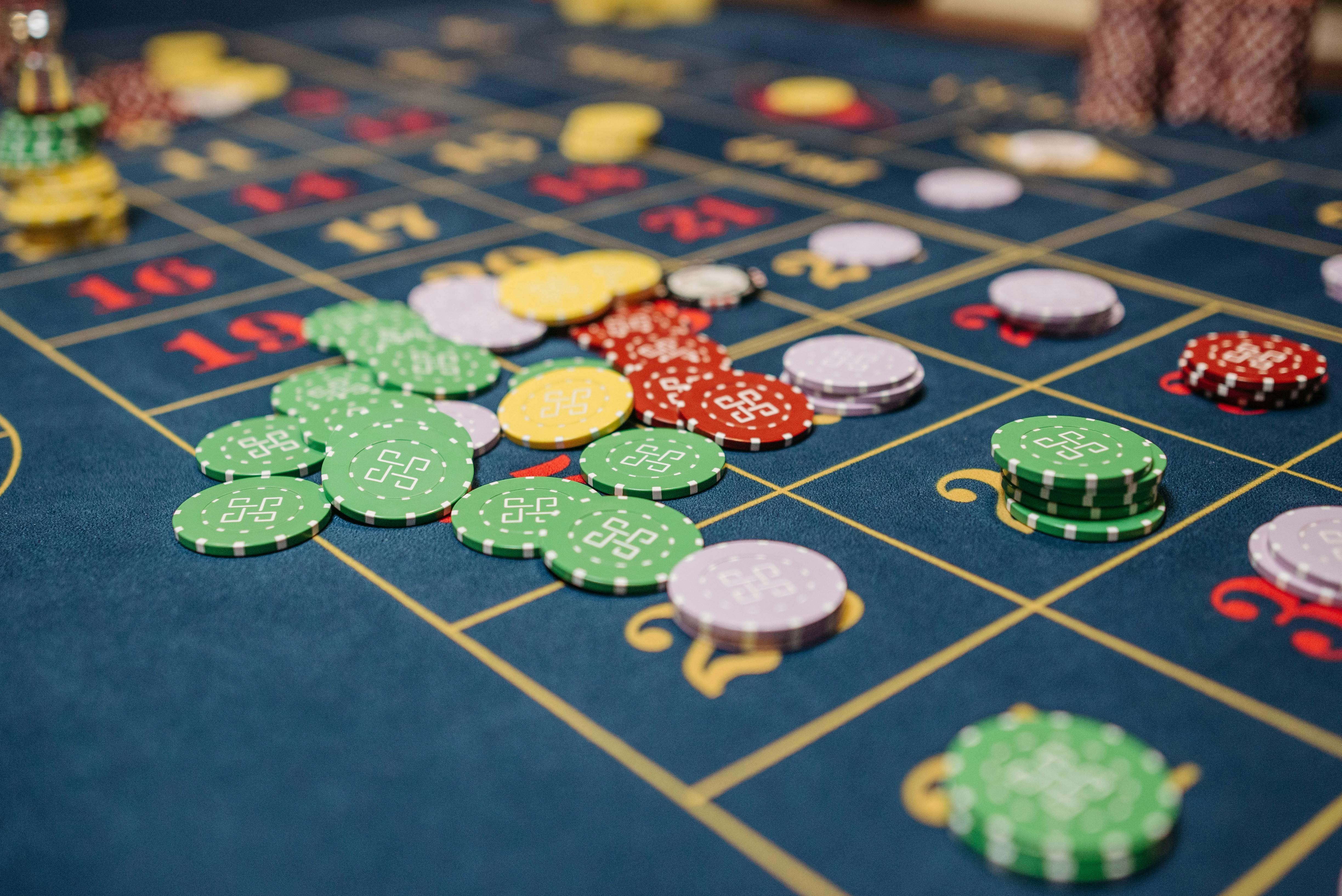
Your Gateway to Gambling Knowledge
Understanding the evolution of gambling provides valuable insights into its cultural significance and societal implications. The history of this age-old practice reflects the changing attitudes towards risk and reward, revealing much about human behavior over the ages. As we continue to witness the transformation of gambling through new technologies and shifting cultural perspectives, it remains a fascinating subject worth exploring.
At our website, we aim to provide comprehensive information on the history, culture, and future of gambling. Whether you’re a casual enthusiast or a serious bettor, our resources offer insights that can enhance your understanding and appreciation of this captivating topic. Join us in uncovering more about the exciting world of gambling!